
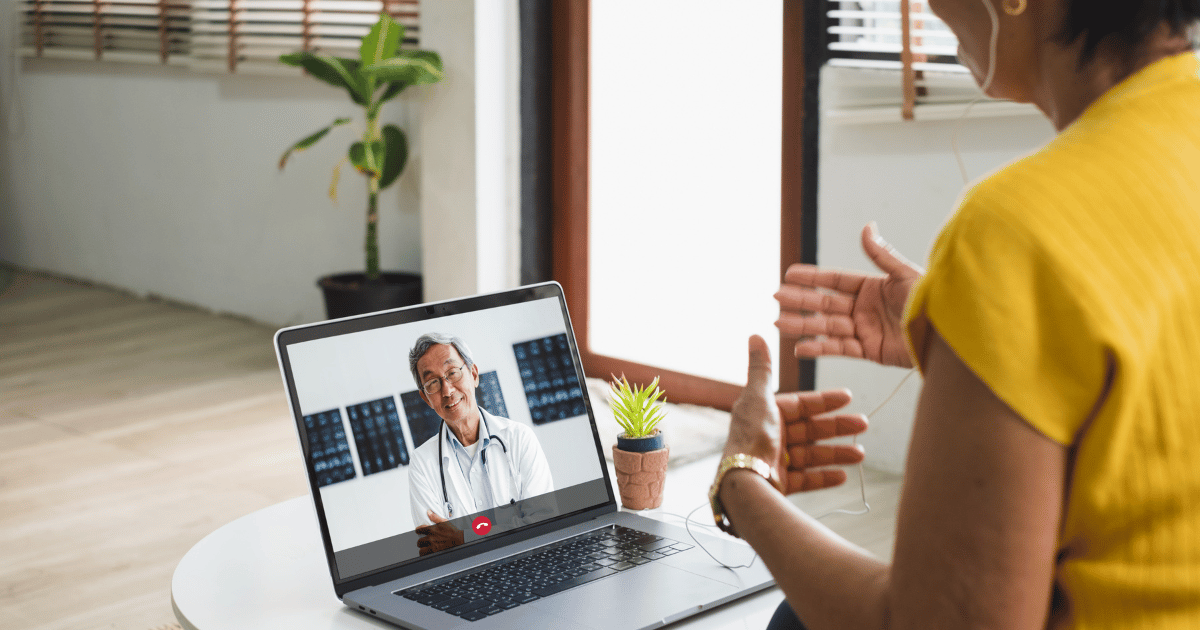
Telepsychiatry is a form of telehealth that uses secure video conferencing to connect patients with licensed mental health professionals. It’s a convenient way to receive high-quality psychiatric care from almost anywhere—including rural areas, correctional facilities, nursing homes, and even your living room.
With mental health needs growing and wait times stretching longer than ever, telepsychiatry offers a powerful, evidence-backed solution. Whether you’re seeking support for anxiety, addiction, PTSD, or another condition, this approach is improving access, affordability, and outcomes for patients and providers alike.
1. Easier Access to Mental Health Care

One of the biggest advantages of telepsychiatry is how it removes barriers to care. For people in remote or underserved areas, receiving mental health care has long involved long drives, long waits, and limited options. Telepsychiatry changes that by offering real-time access to professionals without the travel.
It’s especially helpful in rural populations, federally qualified health centers, and correctional facilities, where mental health services can be hard to find. And for people with disabilities or mobility issues, it offers care from the comfort of home.
By reducing travel needs, eliminating the waiting room, and expanding provider networks, telepsychiatry makes behavioral health care far more easily accessible.
2. Shorter Wait Times

Traditional psychiatric care often involves long waits, especially in high-demand areas. With telepsychiatry, providers can offer care across multiple locations, improving scheduling and reducing delays. That means patients can begin treatment sooner—which can be critical for conditions like severe anxiety disorders, panic disorders, or when emergency psychiatric evaluation is needed.
Remote care also helps providers manage follow-up appointments more efficiently, reducing gaps in care and helping patients stay on track.
3. Higher Patient Satisfaction

There’s substantial evidence showing that telepsychiatry services lead to better outcomes and strong patient satisfaction. In many cases, it’s just as effective as in-person care, with added convenience. Patients are more likely to follow through on treatment when appointments are flexible and stress-free.
People struggling with eating disorders, addiction treatment, or post-traumatic stress disorder (PTSD) often find the privacy and comfort of virtual sessions easier to manage emotionally. Younger age groups, especially teens and young adults, may also engage more fully thanks to their comfort with digital platforms.
Regular check-ins via telepsychiatry can support better medication management, early intervention, and continuous monitoring, all of which help improve patient outcomes.
4. Better Continuity of Care

One of the main reasons telepsychiatry benefits patients is how well it supports continuity of care. Whether someone moves, travels frequently, or can’t attend an in-person visit due to illness or transportation issues, virtual care keeps treatment going.
Telepsychiatry allows for regular visits that help stabilize conditions and prevent worsening symptoms. It also supports better coordination between mental health professionals and primary care providers, helping ensure every part of the patient’s health is considered.
This kind of integrated approach is especially useful in managing psychiatric disorders over time and avoiding emergency room visits due to mental health crises.
5. Helps Healthcare Providers

The benefits of telepsychiatry aren’t limited to patients. Hospitals, clinics, and mental health practices also gain from this model.
Providers can offer care across a wider region without needing extra buildings, staff, or waiting room space. It lowers costs while increasing reach—especially in urban areas where demand is high or remote areas where providers are scarce.
Because sessions are conducted digitally, they can be documented efficiently in the electronic health record, improving accuracy, communication, and compliance. This setup also supports the integration of behavioral health with primary care, allowing for a more seamless experience across medical and mental health services.
6. Lower Costs

Telepsychiatry is a cost-effective option for both providers and patients. It cuts down on travel time, allows for remote monitoring, and reduces no-show rates. With better resource allocation, mental health providers can see more patients without lowering the quality of care.
From smaller nursing homes to large hospital systems, telehealth services are proving to be a powerful tool for reaching specific populations, improving workflows, and delivering high quality care consistently.
When Is Telepsychiatry Most Helpful?
While telepsychiatry works well in most settings, it’s especially valuable for:
- Patients in rural areas or locations with long wait times
- Individuals needing medication management or follow-up care
- Those with anxiety, PTSD, or panic disorders who prefer private settings
- Facilities with limited psychiatric access, like emergency departments or nursing homes
Whether used for an initial consultation or ongoing support, telemental health services give patients and providers more flexibility, better communication, and improved outcomes across a variety of psychiatric care needs.
Start Your Journey to Better Mental Health—From Anywhere
Telepsychiatry isn’t just convenient—it’s changing how we deliver and receive mental health support. With benefits like improved access, shorter wait times, stronger engagement, and lower costs, it’s helping more people get the care they need, when they need it.
Whether you’re managing anxiety disorders, navigating addiction recovery, or looking for a more flexible approach to mental health treatment, telepsychiatry can help.
Contact us today to learn more about how our telepsychiatry services can support your journey to wellness.
FAQ
What is telepsychiatry, and how does it benefit patients?
Telepsychiatry is a way to get psychiatric care online. It uses video or phone calls. It’s great because it’s easy to get help, and you can do it from home.
It’s really helpful for people in areas far from mental health services. They might not have easy access to help.
Can telepsychiatry effectively treat various mental health conditions?
Yes, it can help with many mental health issues. This includes depression, anxiety, PTSD, and bipolar disorder. People are happy with the care they get online.
Studies show it works as well as seeing a doctor in person.
How does telepsychiatry improve continuity of care for patients?
It keeps patients in touch with their doctors, even when they can’t meet in person. This is key for good care. It helps keep symptoms from getting worse.
With regular online sessions, patients get the support they need. They can also get their medication adjusted.
What are the cost benefits of telepsychiatry for healthcare providers and systems?
It saves money for healthcare providers and systems. It doesn’t need as much space. This means less money spent on buildings.
It also helps doctors see more patients. This means they can use their time more efficiently.
How can telepsychiatry be integrated with primary care to provide more patient care?
Telepsychiatry can work with primary care to help patients more. Primary care doctors can send patients for mental health help. Telepsychiatrists can work with them to care for the whole patient.
This way, patients get better care. They are happier with their treatment too.