
Psychiatric Care · Mood Disorders · Bipolar Disorder · Unipolar Depression
Mood Disorders Treatment
Mood disorders affect how a person feels, thinks, sleeps, functions, and moves through daily life. They can include unipolar depression, bipolar depression, bipolar disorder, and other conditions marked by persistent or recurring changes in mood, energy, motivation, and activity level.
Getting the right diagnosis matters. Depression and bipolar disorder can share symptoms, but they often require different treatment approaches. PNS provides comprehensive psychiatric evaluation, medication management, psychotherapy, and long-term treatment planning for patients experiencing mood-related symptoms across the full spectrum of mood disorders.
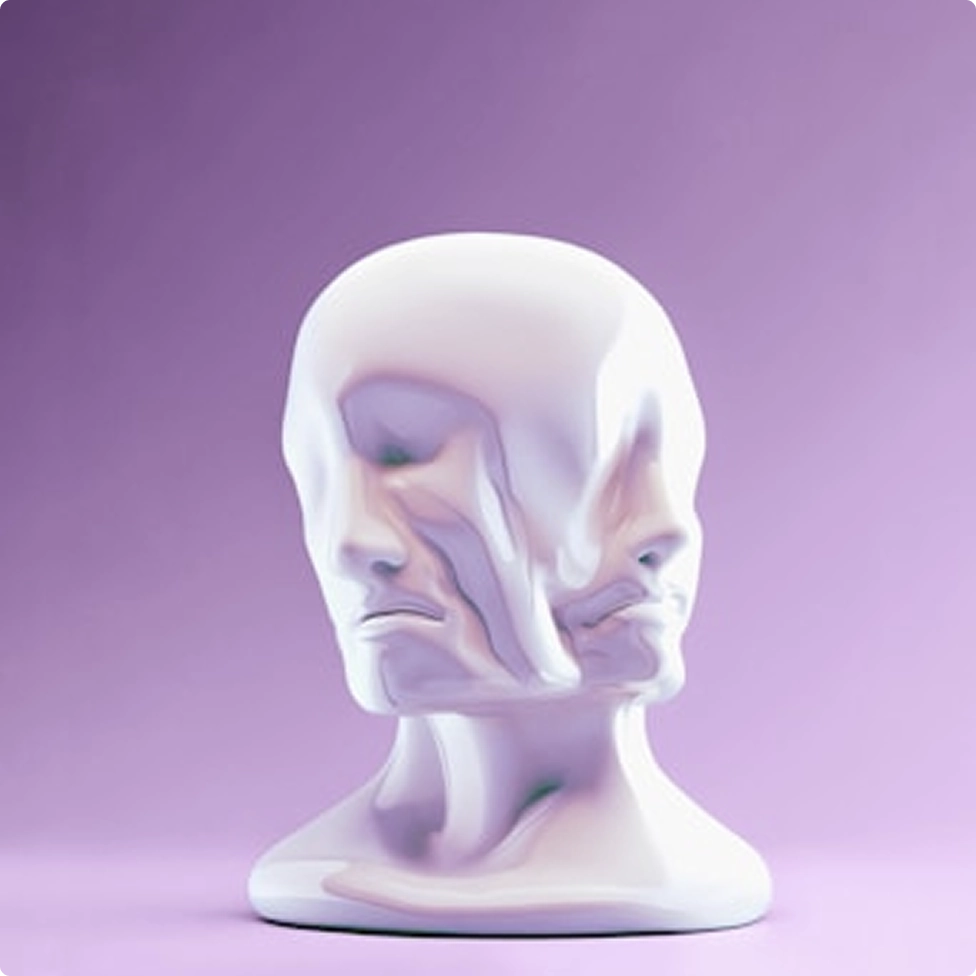
What are
mood disorders?
Mood disorders are mental health conditions that primarily affect a person’s emotional state, energy level, motivation, sleep, and ability to function. Some mood disorders involve persistent or recurring depression. Others involve shifts between depressive symptoms and periods of elevated, irritable, or unusually energized mood.
Signs & Symptoms
Recognizing mood disorders
Mood disorders can involve depressive symptoms, elevated or irritable mood, or changes in energy and activity level that affect daily functioning. Some patients experience persistent depression, while others experience mood episodes that shift over time.

Persistent low mood, sadness, emptiness, hopelessness, or loss of interest in activities that once felt meaningful.
Fatigue, reduced motivation, difficulty completing daily tasks, or feeling slowed down physically or mentally.
Sleeping too much or too little, changes in appetite or weight, or disrupted daily rhythms.
Trouble concentrating, making decisions, remembering details, or keeping up with work, school, or responsibilities.
Periods of unusually elevated, expansive, or irritable mood that feel different from the person’s typical baseline.
Feeling unusually energized, restless, talkative, productive, impulsive, or unable to slow down.
Sleeping much less than usual without feeling tired, or staying awake for long periods with increased energy.
Impulsive, out-of-character behaviors such as excessive spending, risky sexual activity, substance use, or major decisions without considering consequences.



Types of mood disorders
Because mood disorders can overlap, a careful psychiatric evaluation is essential. A patient experiencing depression may have unipolar depression, bipolar depression, or another mood-related condition. Identifying the right diagnosis helps guide safer, more effective treatment.
-
 Unipolar depression involves depressive symptoms without a history of manic or hypomanic episodes. Symptoms may include low mood, loss of interest, fatigue, sleep changes, difficulty concentrating, and impaired daily functioning.
 -
Bipolar depression can look similar to unipolar depression, but it occurs in the context of bipolar disorder. Accurate diagnosis matters because some treatments used for depression may not be appropriate when bipolar disorder is present.
-
Bipolar I disorder involves at least one manic episode. Depressive episodes are also common, though not required for diagnosis.
-
Bipolar II disorder involves depressive episodes and hypomanic episodes, which are less severe than full mania but still represent a significant change in mood, energy, and functioning.
When to seek help
If mood symptoms are interfering with your ability to work, sleep, maintain relationships, complete daily responsibilities, or feel like yourself, it may be time to seek a psychiatric evaluation.
Getting the right diagnosis is especially important for mood disorders. Unipolar depression, bipolar depression, and bipolar disorder can share symptoms, but treatment planning may differ significantly.
If you or someone you care about is experiencing extreme mood changes, risky behavior, severe agitation, or symptoms that feel out of control, professional support can help create a safer and more stable path forward.

Let’s connect
Book an appointment at any PNS location. Our scheduling team will get in touch, usually within one business day.
"*" indicates required fields
How PNS Treats It
Mood disorder treatment at PNS
Treatment for mood disorders begins with an accurate diagnosis. PNS providers evaluate symptoms, treatment history, mood patterns, sleep, functioning, family history, and any prior response to medication before recommending a care plan.
PNS providers offer consistent, ongoing care designed to support stability, safety, and quality of life over time.
Medication Management
Medication management is often central to mood disorder treatment. Depending on the diagnosis, your provider may discuss antidepressants, mood stabilizers, atypical antipsychotics, or other options designed to reduce symptoms and support long-term stability. Ongoing monitoring helps evaluate effectiveness, manage side effects, and adjust treatment over time.
Psychotherapy
Therapy can help patients understand mood patterns, identify triggers, strengthen coping strategies, improve communication, and build routines that support emotional stability. Psychotherapy may be used alongside medication management or as part of a broader long-term care plan.
FAQs