
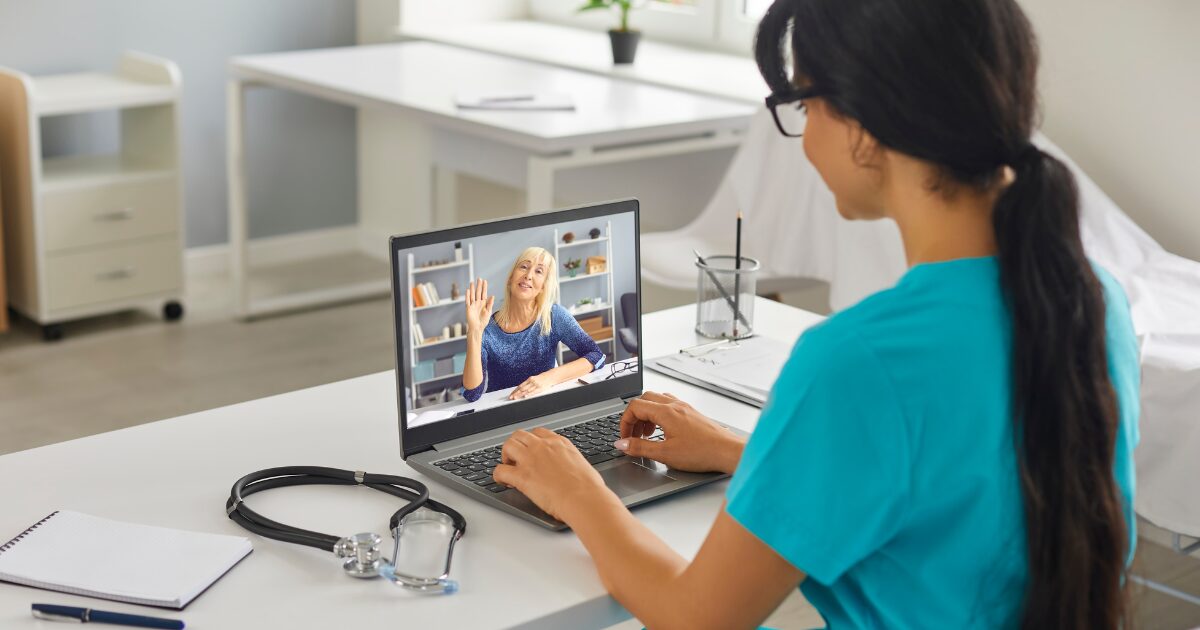
Today, telehealth has become a popular way to get medical care. More people are using virtual visits, raising questions about privacy and data security, so it’s natural to wonder how your health information is kept safe during these appointments.
Telehealth has many benefits, like easier access to healthcare and less travel time. But, it also brings up concerns about keeping your health info private. In this article, we’ll look into how your data is protected and answer common questions.
Key Takeaways
- Telehealth visits are private when conducted on secure, HIPAA-compliant platforms.
- Encryption and secure communication channels protect your health data from unauthorized access.
- Choosing a private space and using a secure device helps keep your telehealth session confidential.
How Telehealth Services Keep Your Information Private and Secure

When you use telehealth services, your personal health information is protected through multiple security measures. Telehealth platforms follow strict rules to ensure that only authorized healthcare professionals can access your medical records and data. Here’s how your information stays secure during telemedicine visits.
1. HIPAA Compliance in Telehealth
The Health Insurance Portability and Accountability Act (HIPAA) sets strict standards for protecting patient data in all forms of health care delivery, including telehealth sessions, to address privacy and security challenges. HIPAA-compliant telemedicine platforms must follow security protocols such as:
- Secure communication channels to prevent unauthorized access.
- Encrypted data storage to keep medical records safe.
- Access controls and authentication so only approved providers can see your information.
- Regular security audits to check for risks and update protections.
These measures ensure your protected health information (PHI) remains confidential, whether you’re booking an appointment, speaking with a health care professional, or reviewing records in your patient portal.
2. How Encryption Protects Your Health Data
Encryption is one of the strongest tools used for protecting patient privacy in telehealth remote communications. It converts your health data into a secure, unreadable format that can only be unlocked by authorized users.
Telehealth services use encryption to:
- Secure video calls, messages, and medical records so that only you and your doctor can access them.
- Protect information sent over the internet, preventing hackers from intercepting your virtual visit.
- Store patient data on secure servers, which are regularly updated to prevent security risks.
3. Preventing Unauthorized Access
To address security concerns and keep your health data safe, telemedicine platforms use strict security protections, such as:
- Multi-factor authentication (MFA) to confirm your identity before accessing records.
- Automatic session timeouts to log out inactive users and prevent unauthorized access.
- Private, secure servers instead of general cloud storage to reduce privacy and security risks.
By following these security measures, telehealth services ensure that your medical records, patient information, and virtual care sessions remain private and secure. If you have concerns about privacy and security protections, ask your provider which security regulations they follow to keep your patient trust intact.
How to Ensure Your Privacy and Security During Telehealth Visits

Protect your privacy during telehealth appointments by taking the right precautions. Follow these patient-focused tips to keep your health information secure and ensure a smooth virtual visit.
1. Choose a Secure Telehealth Platform
Use a HIPAA-compliant telehealth platform that offers end-to-end encryption to protect your data. Stick to trusted services like Doxy.me, Amwell, or Zoom for Healthcare. Avoid consumer apps like FaceTime or WhatsApp for medical consultations.
2. Find a Private, Distraction-Free Space
Set up your telehealth visit in a quiet, private room where others can’t overhear.
- Close doors and windows to reduce background noise.
- Use headphones to keep the conversation confidential.
- Avoid public Wi-Fi or shared networks that could expose your data.
- Let household members know about your appointment to prevent interruptions.
3. Secure Your Internet Connection
Use a personal, password-protected Wi-Fi network for your call.
- Enable a VPN for extra security if available.
- Avoid public Wi-Fi in coffee shops, libraries, or hotels.
- Check your internet speed to prevent lags or dropped calls.
4. Protect Your Device
Keep your device secure to prevent unauthorized access.
- Update your operating system and telehealth app regularly.
- Enable multi-factor authentication (MFA) on your patient portal.
- Use strong, unique passwords for healthcare accounts.
- Turn off voice assistants (Alexa, Siri, Google Assistant) to prevent eavesdropping.
5. Share Only Necessary Information
Before providing personal details, verify why they are needed and how they will be stored.
- Confirm whether the information is essential for treatment.
- Ask if the platform records sessions and request consent before any recording.
6. Log Out After Your Session
Once your appointment ends, log out of your account to protect your data.
- Clear your browser history if using a shared computer.
- Disable camera and microphone permissions when not in use.
Follow these steps to keep your telehealth appointments private and secure. If you have concerns, ask your provider about their security measures before your visit.
Private, Secure Telehealth Psychiatry
Telehealth makes mental health care more accessible, but privacy and security concerns are common for many patients. The good news? Virtual psychiatry sessions with Pacific Neuropsychiatric Specialists (PNS) are completely secure, HIPAA-compliant, and designed to protect your personal information.
With encrypted communication channels, strict data security protocols, and private virtual sessions, you can focus on your well-being without worrying about confidentiality. Whether you’re at home or on the go, our board-certified telehealth psychiatrists provide the same high-quality care as in-person visits—all from the privacy of your chosen space.
Ready for a confidential and convenient way to receive mental health support? Book a secure telehealth appointment with PNS today.