
Psychiatric Care · Dementia · Alzheimer's Disease · Parkinsonism · Cognitive Decline
Major Neurocognitive Disorder Treatment
Significant memory loss or cognitive decline in yourself or a loved one is one of the most difficult things a family can face. PNS’s neuropsychiatric expertise positions us to provide thoughtful evaluation, diagnosis, and comprehensive management for patients with major neurocognitive disorders — including Alzheimer’s disease, vascular dementia, Lewy body dementia, and cognitive changes associated with Parkinson’s disease.
PNS provides psychiatric evaluation and treatment planning for major neurocognitive disorder and related cognitive or behavioral changes, including support for mood symptoms, anxiety, agitation, sleep disruption, and caregiver concerns that may arise alongside cognitive decline.
What is
Major Neurocognitive Disorder?
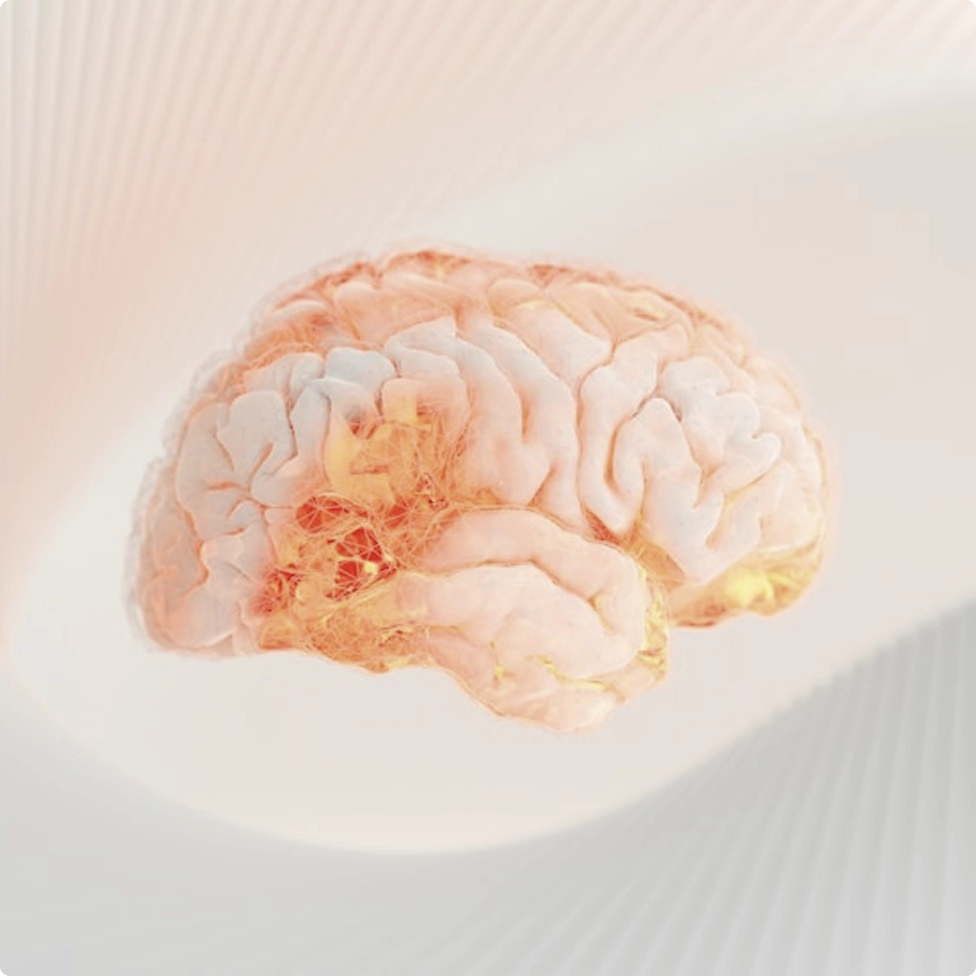
Major Neurocognitive Disorder is different from ordinary age-related forgetfulness. While many people notice mild changes in memory as they age, major neurocognitive disorder involves cognitive and functional changes significant enough to affect independence, safety, relationships, or daily routines.
Signs & Symptoms
Recognizing Major Neurocognitive Disorder
Major Neurocognitive Disorder can affect memory, thinking, judgment, communication, behavior, and the ability to manage daily life. For patients and families, these changes can feel confusing, emotional, and difficult to navigate without support.

Forgetting recent conversations, appointments, names, events, medications, or important details more often than before.
Struggling to manage finances, medications, cooking, driving, appointments, technology, or familiar routines.
Getting lost, losing track of dates or time, becoming confused in familiar places, or needing more reminders than usual.
Making decisions that feel out of character, unsafe, financially risky, or inconsistent with previous abilities.
Trouble finding words, following conversations, naming objects, or expressing thoughts clearly.
Increased irritability, anxiety, depression, apathy, suspicion, emotional sensitivity, or withdrawal from activities.
Changes in sleep patterns, nighttime confusion, restlessness, or difficulty maintaining a consistent routine.
Agitation, pacing, resistance to care, repetitive questions, social changes, or behaviors that are new or difficult for caregivers to manage.



Types of major neurocognitive disorder
Major neurocognitive disorder is a clinical category used when changes in memory, thinking, behavior, or daily functioning are significant enough to interfere with independence. The underlying cause can vary, and identifying the pattern of symptoms can help guide evaluation, treatment planning, and support for patients and families.
-
 Alzheimer’s Disease: One of the most common causes of major neurocognitive disorder. It often begins with memory changes, difficulty learning new information, or repeating questions, and may gradually affect language, judgment, orientation, behavior, and daily functioning.
 -
Vascular Neurocognitive Disorder relates to changes in blood flow to the brain, such as after a stroke or due to small vessel disease. Symptoms may include slowed thinking, difficulty with planning or organization, changes in attention, mood changes, or stepwise changes in functioning over time.
-
Parkinson’s-Related Neurocognitive Disorder: Some individuals with Parkinson’s disease develop significant changes in thinking, memory, attention, or daily functioning as the condition progresses.
When to seek help
f memory, judgment, confusion, behavior, or daily functioning has changed in a way that concerns the patient, family, caregiver, or medical provider, it may be time to seek an evaluation.
Support can be especially important when cognitive changes affect medication management, driving safety, finances, appointments, hygiene, nutrition, sleep, mood, or the ability to live independently.
PNS can help assess psychiatric symptoms, clarify treatment needs, and support care planning in coordination with the patient’s broader medical team when appropriate.

Let’s connect
Book an appointment at any PNS location. Our scheduling team will get in touch, usually within one business day.
"*" indicates required fields
How PNS Treats It
Major Neurocognitive Disorder treatment at PNS
Management of major neurocognitive disorders is multifaceted. PNS focuses on the psychiatric and cognitive dimensions, including medications that may slow progression or improve function, and treatment of the behavioral and psychiatric symptoms that significantly affect quality of life for patients and caregivers alike.
Psychiatric Evaluation
A psychiatric evaluation can help identify mood, anxiety, sleep, behavioral, or medication-related factors that may be contributing to changes in functioning. When appropriate, provider input from family members or caregivers can help clarify symptom patterns and safety concerns.
Care Coordination
Cognitive disorders often require support from multiple providers. PNS may coordinate with primary care physicians, neurologists, therapists, family members, and other care partners when appropriate and authorized.
Medication Management
Medication may be used to address symptoms such as depression, anxiety, agitation, sleep disruption, mood changes, or other psychiatric concerns that occur alongside cognitive decline. Your provider will carefully consider safety, side effects, and the patient’s overall medical picture.
FAQs