Living with mental health conditions like major depressive disorder (MDD) can be challenging. Fortunately, medical advancements offer new hope.
Transcranial magnetic stimulation, often called TMS, is a non-invasive treatment that uses magnetic pulses to stimulate nerve cells in the brain. This can improve depressive symptoms and help treat depression effectively.
Within TMS, there are different approaches. Repetitive transcranial magnetic stimulation (rTMS) delivers repeated magnetic pulses to brain areas that control mood. Another advanced option is Deep Transcranial Magnetic Stimulation (Deep TMS or DTMS), which uses a specially designed coil to reach deeper and broader areas of the brain. Understanding the distinctions between these treatments can help you and your healthcare provider decide on the best path forward.
This article will explore the key differences between Deep TMS and traditional TMS, what they treat, and which one is right for you.
Deep TMS vs. TMS: What’s the Difference?
When considering brain stimulation therapies, it’s helpful to compare Deep TMS and traditional TMS (often referred to as rTMS) side-by-side. Both are valuable tools in treating mental health conditions, but they have distinct features.
|
Feature |
Deep TMS (DTMS) |
Traditional TMS (rTMS) |
|---|---|---|
|
Coil Type |
H-Coil |
Figure-8 Coil |
|
Stimulation Depth |
Deeper (approx. 3-4 cm) |
More superficial (approx. 1.5-2.5 cm) |
|
Stimulation Area |
Broader brain regions |
More focused, specific brain regions |
|
FDA Approved for MDD |
Yes |
Yes |
|
FDA Approved for OCD |
Yes (specific systems) |
Yes (specific systems/protocols) |
|
Other FDA Clearances |
Anxious Depression, Smoking Addiction (specific systems) |
Varies by device, some for specific OCD protocols |
|
Typical Session Length (MDD) |
Approx. 20 minutes |
Approx. 19-37 minutes (Theta Burst is shorter) |
The primary difference between traditional Transcranial Magnetic Stimulation (TMS) and Deep TMS is their technology and how they interact with the brain. Traditional TMS uses a figure-8 coil to deliver magnetic pulses to a focused brain region at a depth of about 1.5 to 2.5 centimeters.
In contrast, Deep TMS uses a specialized H-coil designed to send magnetic pulses to deeper brain areas, reaching approximately 3-4 centimeters and stimulating a wider area. The focused nature of the figure-8 coil in traditional TMS allows for precise targeting of specific areas like the left dorsolateral prefrontal cortex. While Deep TMS with its H-coil can also stimulate these regions, its design enables the engagement of deeper structures involved in mood regulation.
Regarding treatment efficacy, some research suggests that certain Deep TMS devices and protocols might offer greater response or remission rates for specific conditions compared to some traditional TMS protocols. However, larger comparative studies and meta-analyses have shown mixed results, and no definitive superiority of one over the other has been established for all situations. Ultimately, the effectiveness of the treatment can vary depending on the individual and the specific condition being treated.
What is TMS (Repetitive TMS)?
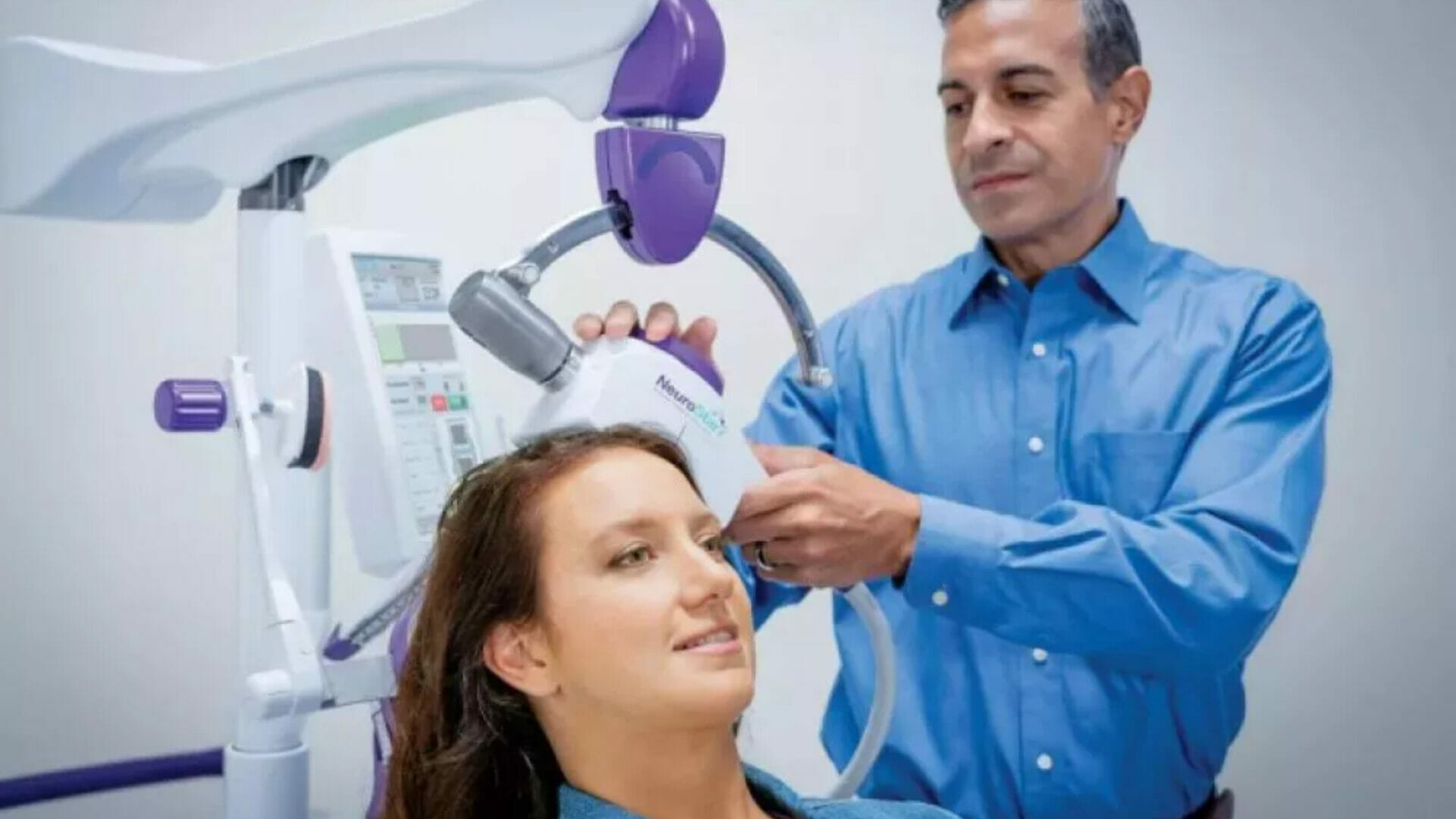
Traditional Transcranial Magnetic Stimulation (TMS), often referred to as repetitive TMS or rTMS, is a well-established non-invasive brain stimulation treatment. It uses a handheld magnetic coil, most commonly a figure-8 coil, placed lightly on the scalp. This coil delivers repeated magnetic pulses to stimulate nerve cells in specific areas of the brain.
For depression, rTMS often targets the left dorsolateral prefrontal cortex, a brain region involved in mood regulation that can be underactive in people with major depression. The figure-8 coil allows for precise targeting of these relatively superficial brain areas. Repetitive TMS is FDA-approved for the treatment of major depressive disorder (MDD). Specific rTMS devices and protocols also have FDA approval or clearance for treating obsessive-compulsive disorder (OCD). Its use for other conditions, such as anxiety disorders, is common but may be considered off-label or investigational depending on the region and specific disorder.
Treatment sessions for rTMS can vary in length, often ranging from 19 to 37 minutes, though newer protocols like Theta Burst Stimulation (a type of rTMS) can be much shorter, around 3-6 minutes.
What is Deep TMS?
Deep Transcranial Magnetic Stimulation (Deep TMS or DTMS) is an advanced form of TMS that utilizes a patented H-coil. This specialized coil allows the magnetic fields to reach deeper and stimulate broader regions of the brain compared to traditional TMS systems. This capability is important because some mental health conditions may involve dysregulation in these deeper brain structures.
Deep TMS is a non-invasive treatment, meaning it does not require surgery or electrode implants. It is FDA-approved for treating MDD and obsessive-compulsive disorder (OCD). Additionally, specific Deep TMS systems (like BrainsWay) have received FDA clearance for treating anxious depression (MDD with comorbid anxiety) and for smoking cessation. The treatment sessions for MDD typically last about 20 minutes, with patients usually attending multiple sessions per week for several weeks.
The ability to stimulate deeper and wider areas allows Deep TMS to potentially engage more of the neural pathways involved in complex conditions. This is a key aspect of how Deep TMS functions differently from other TMS types.
Mental Health Conditions Treated
Both TMS and Deep TMS are valuable tools for various mental health conditions. Their primary FDA-approved applications include:
- Major Depressive Disorder (MDD): Both standard rTMS and Deep TMS are effective treatments for MDD, especially for individuals who have not found relief from antidepressant medications (treatment-resistant depression).
- Obsessive-Compulsive Disorder (OCD): Specific devices and protocols for both rTMS and Deep TMS are FDA-approved/cleared for treating OCD.
- Anxious Depression: Deep TMS is also FDA-cleared for MDD with comorbid anxiety symptoms.
- Smoking Addiction: Deep TMS has an FDA clearance for short-term smoking cessation in adults.
Beyond these, research is ongoing into the use of TMS and Deep TMS for other mental health conditions, such as:
- Post-Traumatic Stress Disorder (PTSD)
- Other anxiety disorders
- Bipolar disorder (specifically the depressive phase)
- Substance use disorders (beyond smoking)
For these conditions, TMS and Deep TMS are generally considered investigational. It’s important to discuss with a healthcare provider whether TMS is appropriate and what the current evidence supports.
How the Treatment Process Works
The journey with either TMS or Deep TMS generally follows a similar path:
- Initial Consultation and Evaluation: Your healthcare provider will conduct a thorough evaluation. This includes discussing your medical history, current symptoms, and previous treatments to determine if TMS or Deep TMS is a suitable option. They will explain the procedure, potential benefits, and risks. This is also the time to discuss any concerns, such as the presence of metal implants like cochlear implants or bullet fragments near the head, which could be contraindications.
- First Session (Mapping): During the first session, the clinician will determine the optimal coil placement and the appropriate magnetic pulse strength for you. This “mapping” process ensures the treatment is tailored to your individual brain physiology.
- Treatment Sessions: Patients typically undergo a series of treatment sessions.
- Frequency: Sessions are usually scheduled 5 days a week for a period of 4 to 6 weeks.
- Duration: A Deep TMS session for depression usually lasts about 20 minutes. Standard rTMS sessions can range from about 19 to 37 minutes, though some newer rTMS protocols (like Theta Burst) are much shorter.
- Course: A full course of treatment may involve 20-36 sessions. Some patients may benefit from maintenance sessions after the initial course.
- During Sessions: You will be awake and alert during the treatment. You can relax, read, or listen to music. The magnetic coil will be placed against your head, and you will hear clicking sounds and feel a tapping sensation on your scalp.
- After Sessions: You can typically resume normal daily activities immediately after each session, including driving.
It’s crucial to discuss your treatment options and any concerns with your healthcare provider to understand what to expect.
Potential Side Effects and Risks
Both TMS and Deep TMS are generally considered safe and well-tolerated non-invasive treatments. They do not require anesthesia and are not associated with the systemic side effects often seen with medications or more invasive procedures like electroconvulsive therapy (ECT) or deep brain stimulation surgery.
However, some side effects can occur:
Common Side Effects
These are usually mild and tend to decrease over the course of treatment.
- Headaches
- Scalp discomfort or pain at the stimulation site
- Lightheadedness or dizziness
- Tingling or twitching of facial muscles during the pulse
Rare Side Effects
Serious side effects are uncommon.
- Seizures: This is the most significant rare risk. The risk is very low, estimated to be similar to or less than that of some antidepressant medications. Proper screening helps minimize this risk.
- Hearing problems (if ear protection is not used, due to the clicking sound of the machine)
- Worsening of depression symptoms
Note: Patients should discuss their complete medical history, including any neurological conditions, history of seizures, or presence of metal implants in or near the head (e.g., aneurysm clips, stents, cochlear implants), with their healthcare provider before starting treatment. This helps ensure the treatment is safe and appropriate.
Which One is Right For You?
Choosing between Deep TMS and traditional TMS (rTMS) depends on several factors, including your specific diagnosis, treatment history, and your doctor’s recommendation. Both are effective treatments for major depressive disorder and other conditions.
Deep TMS might be the better choice if:
- You have MDD, especially if it includes anxious depression, as specific Deep TMS systems are FDA-cleared for this.
- You are seeking treatment for OCD or wish to try an FDA-cleared option for smoking cessation (with specific Deep TMS systems).
- Your doctor recommends it, because the deeper and broader stimulation offered by the H-coil could be beneficial for your specific presentation of symptoms, perhaps after traditional TMS has not yielded sufficient results. The ability to target deeper brain structures is a key difference.
Traditional TMS (rTMS) might be the better choice if:
- Your provider recommends a more focused stimulation approach, especially if you have major depressive disorder or OCD, which the figure-8 coil provides effectively for the dorsolateral prefrontal cortex.
- Your provider has extensive experience and success with specific rTMS protocols for your condition.
- Your insurance favors rTMS. The treatment efficacy for MDD is well-established for rTMS.
Ultimately, the decision should be made in consultation with a qualified healthcare professional who can assess your individual needs and guide you toward the most appropriate transcranial magnetic stimulation tms therapy.
Ready to Explore Your Options?
If you’re struggling with major depressive disorder, OCD, or other mental health conditions and traditional treatments haven’t provided the relief you need, transcranial magnetic stimulation might be an effective treatment for you.
We encourage you to discuss these innovative depression treatments with a specialist. To learn more about TMS and Deep TMS and find out if one of these therapies could be right for you, please reach out to us.
Contact us to schedule a consultation.
Frequently Asked Questions
What is Transcranial Magnetic Stimulation (TMS)?
Traditional TMS, also known as rTMS, is a non-invasive treatment using a magnetic coil to deliver pulses that stimulate nerve cells in specific brain areas. This stimulation can help improve symptoms of conditions like depression by targeting regions involved in mood regulation.
What is Deep TMS (DTMS)?
Deep TMS is an advanced type of TMS that uses a special H-coil to send magnetic pulses deeper and into wider areas of the brain. This allows it to reach brain structures that might be involved in certain mental health conditions. It is a non-invasive treatment approved for conditions like major depressive disorder.
What’s the main difference between Deep TMS and traditional TMS?
The key difference is in the coil technology and its reach within the brain. Traditional TMS uses a figure-8 coil for more focused, superficial stimulation, while Deep TMS uses an H-coil to stimulate deeper and broader brain regions.
What mental health conditions can TMS and Deep TMS treat?
Both TMS and Deep TMS are FDA-approved for treating major depressive disorder (MDD) and obsessive-compulsive disorder (OCD). Specific Deep TMS systems also have FDA clearance for treating anxious depression and for smoking cessation.
What happens during a TMS or Deep TMS treatment session?
During a treatment session, you will be awake and can relax. A coil is placed on your head, and you will hear clicking sounds and feel a tapping sensation on your scalp as magnetic pulses are delivered. Afterwards, you can usually go back to your normal daily activities.
Are there side effects associated with TMS and Deep TMS?
Yes, but side effects are generally mild and tend to lessen over time, including headaches or scalp discomfort at the stimulation site. Serious side effects like seizures are very rare, and proper screening helps minimize this risk.
How do I know if Deep TMS or traditional TMS is right for me?
The best choice depends on your specific condition, treatment history, and what your doctor recommends after an evaluation. For instance, Deep TMS might be considered for anxious depression or if deeper brain stimulation is thought to be beneficial. A healthcare professional can help you decide which TMS therapy is most appropriate.
How long does a typical TMS or Deep TMS session last?
A Deep TMS session for depression typically lasts about 20 minutes. Traditional rTMS sessions can range from approximately 19 to 37 minutes, although some newer protocols like Theta Burst are significantly shorter.