Depression Treatment · Non-Invasive Therapy · No Medication Side Effects
TMS Treatment
Depression affects everyone differently, and not every patient responds to treatment in the same way. While antidepressant medications can be highly effective, some individuals continue to experience symptoms despite multiple treatment attempts.
TMS Therapy provides an alternative approach. Using magnetic pulses to stimulate specific regions of the brain associated with mood regulation, TMS can help reduce symptoms of depression without the systemic side effects commonly associated with medication.

Transcranial magnetic stimulation (TMS) is a non-drug, FDA-cleared treatment that uses precisely targeted magnetic pulses to stimulate areas of the brain involved in mood regulation. PNS has offered TMS therapy for more than 10 years and has treated thousands of patients, making us one of the most experienced TMS providers in Southern California.
What is TMS treatment?
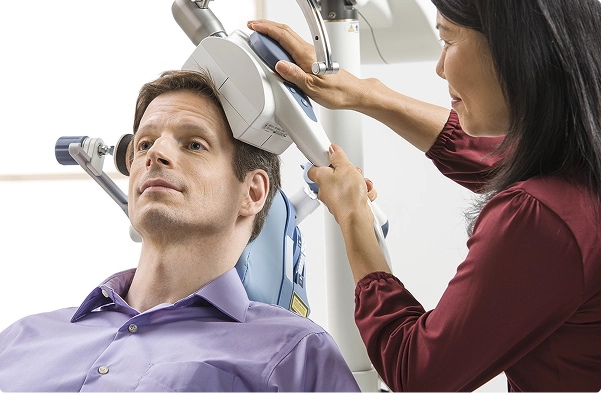
TMS delivers brief, repetitive magnetic pulses to specific regions of the brain which are underactive in people with depression and OCD.
Unlike medications, which travel throughout the body, TMS focuses directly on specific neural networks associated with depression symptoms.
TMS is not ECT (electroconvulsive therapy). The treatment uses no electricity delivered to the brain, requires no anesthesia or sedation, and allows patients to return to their normal daily activities immediately after each session.
Over the last two decades, TMS has become an established treatment option for individuals who have not achieved adequate relief through antidepressant medications alone.
Major Depressive Disorder (MDD)
TMS is FDA-cleared for Major Depressive Disorder in adults and — as of 2024 — in adolescents.
Obsessive-Compulsive Disorder (OCD)
TMS received FDA clearance for OCD as an adjunct treatment for adults in 2022, making it one of the few non-drug, non-surgical options with regulatory backing for a condition that affects roughly 1 in 40 adults.
Off-Label Applications
Beyond its FDA-cleared indications, TMS is increasingly used off-label for conditions where a growing body of clinical research supports its use, including in PTSD, generalized anxiety, eating disorders, and a variety of other conditions.
How It Works
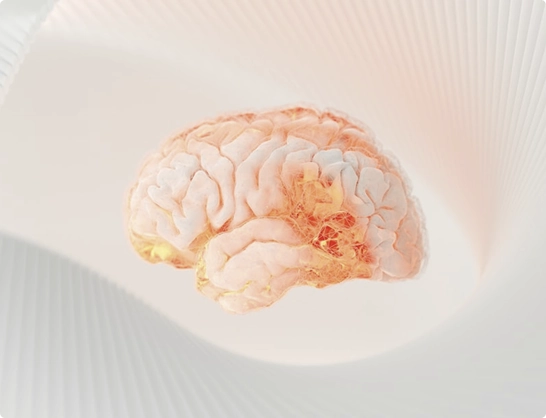
Targeting the networks involved in mood
TMS works by inducing small electrical currents in targeted brain regions, which activate neurons and normalize the patterns of brain activity associated with depression and OCD.
The magnetic pulses used are similar in strength to those in MRI machines, and the experience is a rhythmic tapping sensation on the scalp rather than anything injected or invasive.
Over a full treatment course, these neurological changes appear durable — many patients maintain improvement for 12 months or more after completing treatment.
What to expect

Consultation
Treatment begins with a psychiatric evaluation to determine whether TMS may be an appropriate option for your symptoms and treatment history.

Treatment Sessions
Patients remain awake and seated comfortably throughout treatment, which lasts roughly 20 minutes. Patients are able return to work, school, or other daily activities afterward.

Course completion
Many patients attend treatment five days per week over 7-8 weeks, though treatment schedules vary. After the primary course, some patients receive periodic maintenance sessions to sustain response.
Who qualifies?
TMS may be appropriate for individuals who:
-
 Have been diagnosed with depression
 -
Have not experienced adequate relief from antidepressant medications
-
Have experienced unwanted medication side effects
-
Are seeking a non-invasive treatment option
Not every patient is a candidate for TMS, and treatment recommendations are based on individual clinical circumstances.
Insurance and costs
TMS therapy is covered by many insurance plans when specific clinical criteria are met.
Coverage requirements vary by insurer and may include documentation of previous treatment attempts, medication history, and diagnosis.
Our scheduling team can help verify benefits, explain authorization requirements, and answer questions regarding costs before treatment begins.
Interested in TMS Therapy?
Book an appointment at a PNS location that offers this treatment. Our team will confirm availability and verify your insurance before your first visit.
"*" indicates required fields
Our Locations
PNS locations offering
TMS treatment
TMS treatment services are available at multiple PNS locations throughout Southern California.
-


Costa Mesa
3151 Airway Avenue, Suite G-1
Costa Mesa, CA 92626Phone: (714) 545-5550Fax: (714) 708-2588Treatments offered at this location
Areas served
- Costa Mesa
- Newport Beach
- Newport Coast
- Santa Ana
- Irvine
- Fountain Valley
-

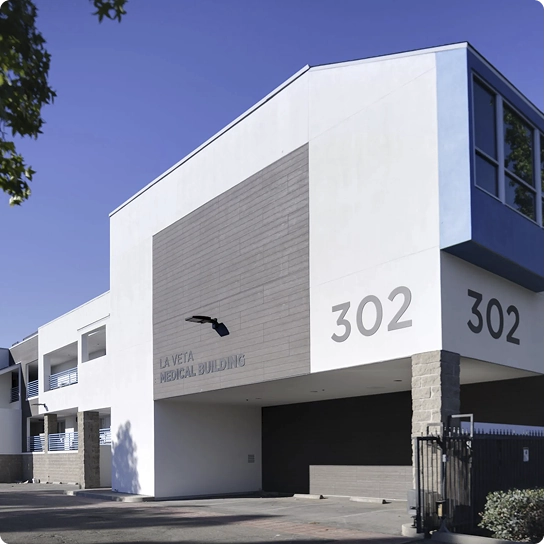
Orange – La Veta
302 West La Veta Avenue, Suite 202
Orange, CA 92866Phone: (714) 545-5550Fax: (714) 202-5555Treatments offered at this location
Areas served
- Orange
- Fullerton
- Yorba Linda
- Placentia
- Anaheim Hills
- Tustin
- Brea
- Villa Park
-


Santa Ana / Tustin
999 N. Tustin Ave., Suite 216
Santa Ana, CA 92705Phone: (714) 545-5550Fax: (714) 545-5550Treatments offered at this location
Areas served
- Santa Ana
- Tustin
- Irvine
- Anaheim Hills
- Fullerton
- Orange
- Westminster
- Garden Grove
- Costa Mesa
- Fountain Valley
-


Long Beach
1760 Termino Ave., Suite G21
Long Beach, CA 90804Phone: (714) 545-5550Fax: (562) 543-3339Treatments offered at this location
Areas served
- Carson
- Cypress
- West LA
- Torrance
- Los Altos
- Paramount
- Bellflower
- Long Beach
- Signal Hill
- West Carson
- Rancho Palos Verdes
- Rolling Hills Estates
- Wilmington
- Harbor City
- Los Cerritos
The research behind the innovation
TMS therapy is supported by decades of clinical research investigating its effectiveness in treating depression and related conditions.
PNS participates in psychiatric research and remains committed to staying informed about emerging treatment approaches that may improve outcomes for patients.
FAQs