

When antidepressant medications don’t provide the relief you need, the journey to manage depression can feel isolating and frustrating. But there is a scientifically proven and FDA-approved alternative that is offering new hope.
Transcranial Magnetic Stimulation (TMS) therapy works differently from medication by using non-invasive magnetic pulses to reawaken the parts of the brain affected by depression. This evidence-based approach is helping thousands find lasting relief.
What is TMS?
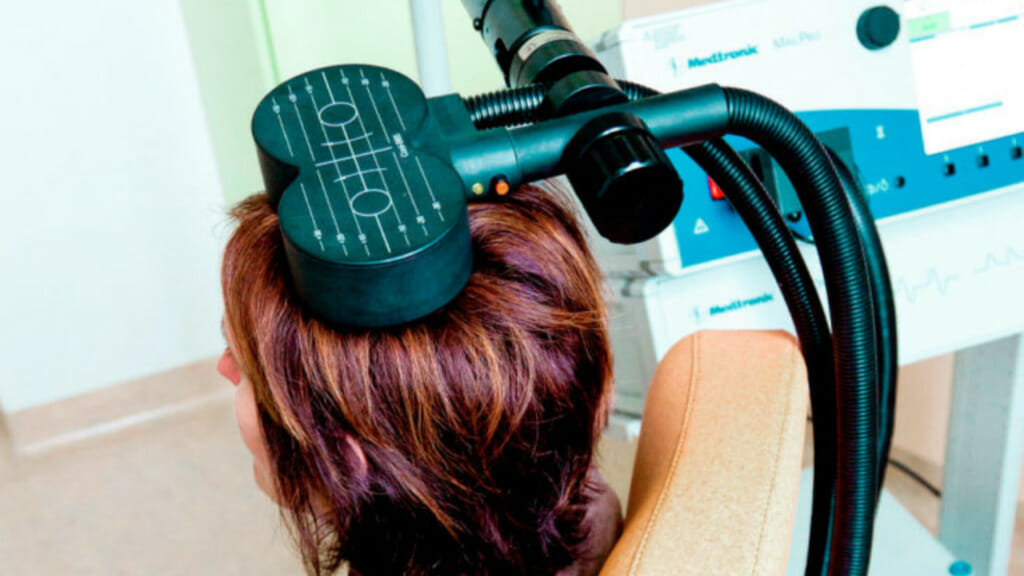
TMS therapy, which stands for Transcranial Magnetic Stimulation, is a non-invasive medical procedure designed to treat depression. It uses targeted magnetic fields to stimulate nerve cells in the brain that are underactive in people with mood disorders.
The treatment is FDA-approved for adults with Major Depressive Disorder who have not found relief from antidepressant medications. This is a critical alternative, especially since approximately two-thirds of patients with depression do not achieve remission with the first antidepressant they try.
Unlike more invasive procedures, TMS therapy does not require any anesthesia or sedation. Patients are fully awake and alert during the short sessions. Because it is a non-systemic treatment, you can return to your normal daily activities, including driving, immediately after your appointment is over.
How Does TMS Work for Depression?
TMS works by directly stimulating the part of the brain responsible for mood regulation. The procedure targets a specific region known as the left dorsolateral prefrontal cortex (DLPFC), which often shows reduced activity in individuals struggling with depression.
During a treatment session, a specialized coil is placed on the patient’s head. This coil generates gentle magnetic pulses that pass through the skull and into the brain tissue. These pulses are similar in strength to those used in an MRI.
The magnetic energy stimulates neurons in the DLPFC, causing them to become more active. This process is believed to modulate key neural circuits and improve communication between different parts of the brain that control mood. Over time, this repeated stimulation can help restore normal brain function and alleviate the symptoms of depression.
Does It Really Treat Depression?
TMS therapy has a strong and well-documented success rate for individuals with treatment-resistant depression. Clinical evidence shows that it provides significant relief for a large percentage of patients who have not responded to other treatments.
Studies show impressive results for this group. Approximately 50% to 60% of people experience a clinically meaningful response, which means their depression symptoms are reduced by at least half.
Furthermore, a significant portion of patients achieve a complete resolution of their symptoms. Research indicates that about one-third of individuals achieve full remission after a course of TMS. For many of these individuals, the positive effects are lasting, providing durable relief that can extend for many months or even over a year. A TMS psychiatrist can help determine the best long-term care plan.
What Are the Side Effects of TMS Therapy?
The side effects associated with TMS therapy are typically mild, temporary, and well-tolerated by most patients. Unlike antidepressant medications, TMS is a non-systemic treatment, meaning it does not circulate in the bloodstream and therefore avoids common side effects like weight gain, nausea, or sexual dysfunction.
The most frequently reported side effects occur at the treatment site and tend to diminish within the first week of sessions. These include:
- Mild to moderate headaches
- Scalp discomfort or sensitivity
- Tingling or twitching of facial muscles
- Lightheadedness
These common effects are a direct result of the magnetic stimulation on the scalp and nearby muscles. The headaches are usually treatable with over-the-counter pain relievers, and any scalp sensitivity or muscle twitching typically subsides shortly after the session ends. Our detailed guide on TMS therapy side effects provides more information.
The most serious potential risk is a seizure, but this is extremely rare. The risk of seizure is estimated to be less than 0.1% per patient, making it an exceptionally uncommon event. All patients are carefully screened for any pre-existing seizure risk factors to ensure the procedure is as safe as possible.
Who is a Good Candidate for TMS?
A good candidate for TMS is an adult who has been diagnosed with Major Depressive Disorder (MDD) and has not achieved satisfactory results from antidepressant medications. This is often referred to as treatment-resistant depression.
To be considered for treatment, an individual generally must meet the following criteria:
- Be 18 years of age or older.
- Have a confirmed diagnosis of MDD.
- Have tried and failed to find relief from one or more antidepressant medications.
- Be able to attend the full course of daily treatment sessions.
These guidelines help ensure that TMS is used for patients who are most likely to benefit. The process involves a thorough evaluation by a qualified psychiatrist to review your medical history and past treatments for various conditions to confirm eligibility.
However, TMS is not suitable for everyone. The primary contraindication involves the presence of metal in or near the head. Individuals with non-removable, magnetic-sensitive metal implants cannot undergo TMS. This includes things like aneurysm clips, cochlear implants, or deep brain stimulators, as the powerful magnetic fields could move or heat these devices.
How Long Does TMS Therapy Last?
A typical course of TMS therapy involves a series of sessions scheduled over several weeks. While the exact duration can vary, a standard treatment plan consists of daily sessions, five days per week, for four to six weeks.
Each individual session is quite short. Traditional TMS sessions last around 20 to 40 minutes. However, newer protocols like intermittent theta-burst stimulation (iTBS) have dramatically reduced this time, with some sessions lasting as little as three minutes.
One of the major benefits of TMS is the lack of recovery time. Patients are awake and alert throughout the procedure and can immediately resume their normal activities, including work and driving, right after leaving the clinic. This makes it a convenient option that can be integrated into a daily routine with minimal disruption.
Does Insurance Cover TMS for Depression?
Yes, most major health insurance companies, including Medicare, provide coverage for TMS therapy as a treatment for Major Depressive Disorder. This has made the treatment much more accessible for patients who need an alternative to medication.
However, coverage is typically contingent on specific criteria. Insurers usually require what is known as prior authorization. This means the treatment must be deemed “medically necessary” before they will agree to pay for it.
To meet this requirement, a patient usually must have a documented history of treatment-resistant depression. Insurance providers often require proof that you have tried several different antidepressant medications without success and may also require a history of psychotherapy. It is always best to speak with your insurance provider and the TMS clinic, as they can help navigate the authorization process.
Learn More About TMS Therapy for Depression
With high success rates, minimal and temporary side effects, and no need for anesthesia or recovery time, it stands out as a powerful alternative treatment for depression. If you have struggled with depression and found that medications aren’t working, TMS could be the answer.
Don’t let treatment-resistant depression control your life. We encourage you to learn more about our TMS therapy services and take the first step toward lasting relief. Contact our team today to schedule a consultation and find out if this life-changing treatment is right for you.
Frequently asked questions
What is TMS therapy?
TMS, or Transcranial Magnetic Stimulation, is a non-invasive, FDA-approved medical treatment for adults with Major Depressive Disorder who haven’t responded to antidepressant medications. It uses targeted magnetic pulses to stimulate underactive nerve cells in the brain without requiring anesthesia or sedation, making it different from other services that may be more invasive.
How does TMS work to treat depression?
TMS works by targeting the left dorsolateral prefrontal cortex (DLPFC), the region of the brain responsible for mood regulation that is often underactive in people with depression. A specialized coil delivers gentle magnetic pulses to this area, which stimulates neurons, improves neural communication, and helps restore normal brain function over a series of treatments.
Who is an ideal candidate for TMS?
A good candidate for TMS is an adult diagnosed with Major Depressive Disorder who has tried one or more antidepressant medications without finding relief. Patients must not have any non-removable, magnetic-sensitive metal implants in or near their head, such as aneurysm clips or cochlear implants. A psychiatrist will evaluate your medical history and past treatments for various conditions to confirm eligibility.
What is the success rate of TMS?
Clinical studies show that TMS is highly effective for treatment-resistant depression. Approximately 50% to 60% of patients experience a significant reduction in their symptoms, and about one-third achieve full remission. A TMS psychiatrist can help develop a long-term care plan to maintain these positive results.
What are the side effects of TMS?
The most common side effects of TMS are mild and temporary, typically diminishing within the first week of treatment. They include headaches, scalp discomfort, or tingling of facial muscles at the treatment site. Unlike medications, TMS is non-systemic and avoids side effects like weight gain. You can learn more in our guide to TMS therapy side effects.
How long is a full course of TMS treatment?
A standard course of TMS therapy typically consists of daily sessions, five days a week, for a period of four to six weeks. Each session is brief, lasting from as little as three minutes to around 40 minutes, depending on the protocol used.
Does insurance cover TMS therapy?
Yes, most major insurance providers and Medicare cover TMS for Major Depressive Disorder. However, they usually require prior authorization and proof of “medical necessity,” which often includes a documented history of failed antidepressant medication trials. Our clinic can assist with navigating the authorization process for our treatment center services.
Does the TMS procedure require anesthesia?
No, TMS therapy does not require any anesthesia or sedation. Patients are fully awake and alert during the entire session and can immediately return to their normal daily activities, including driving, right after the appointment.