
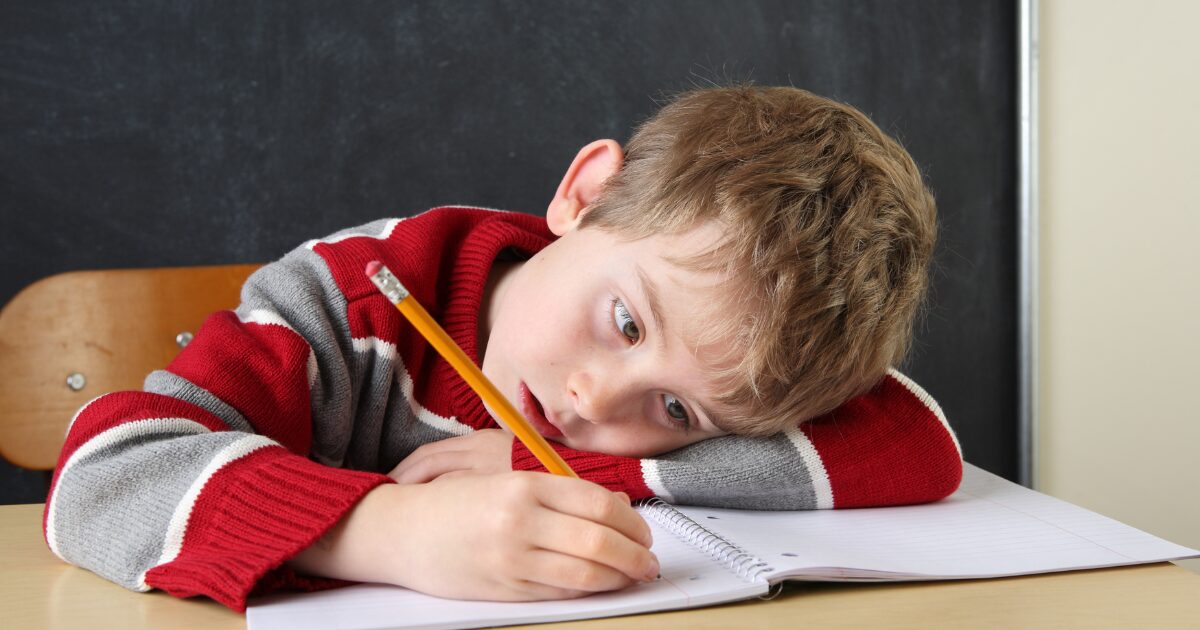
As a parent, spotting the symptoms early and getting a professional check-up can greatly help your child’s future. ADHD causes kids to have trouble paying attention, being too active, and acting on impulse. These issues can affect their school work, friendships, and everyday lives. Finding out early and getting help is key. It helps kids learn how to deal with their ADHD and get the support they need to do well.
Attention Deficit Hyperactivity Disorder (ADHD) is a complex condition that can show up in many ways in children. As parents, knowing the common signs and symptoms is key. This guide will help you spot ADHD in your child and tell it apart from normal childhood behaviors.
Understanding ADHD: Signs and Symptoms in Children
Let’s take a closer look at the common signs and symptoms that you, parents, can have reference to in checking if your child has ADHD.
Common Behavioral Patterns
Children with ADHD often have trouble focusing and making quick decisions. They might also be restless or hyperactive. They can make careless mistakes and find it hard to follow instructions or finish tasks.
Physical and Emotional Symptoms
ADHD can also show up in physical and emotional ways. Kids with ADHD might have trouble sleeping, fidget a lot, or have mood swings. These symptoms can affect their well-being and school performance.
Age-Specific Warning Signs
- Preschool-age children with ADHD may have trouble following instructions, exhibit high levels of activity, and struggle with impulse control.
- Elementary school-age children may show signs of deficit hyperactivity disorder ADHD, such as difficulty staying focused during lessons, disorganization, and problems cooperating with their peers.
- Adolescents with ADHD may face challenges with time management, organization, and regulating their emotions, which can lead to academic difficulties and social challenges.
It’s vital to consider the child’s age when looking for ADHD symptoms. The signs can change as kids grow. By knowing these age-specific signs, parents can better help children with ADHD symptoms, mood disorder, and anxiety disorder concerns.
Step-by-Step Guide for Diagnosing ADHD

Getting an ADHD diagnosis can seem scary for parents. But knowing the steps can help. Start by talking to your child’s doctor. They can check if your child needs an ADHD test.
At PNS, we use the Conners ADHD Rating Scale for evaluations. This assessment asks about behaviors, schoolwork, and daily life to identify ADHD symptoms like inattention, hyperactivity, and impulsiveness. The test is quick—just 14 minutes—and automatically generates results compared to up-to-date data from over 1,400 cases across the U.S. This ensures a highly accurate diagnosis and a clear understanding of symptom severity.
If further evaluation is needed, your doctor may refer you to a specialist, such as a child psychologist or psychiatrist. These professionals analyze the test results alongside your child’s history and symptoms to provide a comprehensive diagnosis. They can also identify related conditions, like dyslexia or emotional challenges, and recommend personalized treatment options to support your child.
Early Warning Signs in Different Settings
Finding early signs of ADHD can be tough. Symptoms show up in different ways in different places. Knowing how ADHD acts at home, school, and with friends helps parents and caregivers spot signs early.
Symptoms at Home
At home, kids with ADHD might act out in many ways. They might have trouble waiting, act impulsively, interrupt often, and lose focus. Adults with ADHD also struggle with keeping things organized, leading to messy homes and unfinished chores.
Behavioral Changes at School
At school, ADHD symptoms are more obvious. Kids with ADHD find it hard to sit still, listen in class, and follow rules. They might interrupt, get up without permission, and have trouble with schoolwork because they can’t focus.
Social Interaction Patterns
ADHD also affects how kids interact with others. They might have trouble sharing, taking turns, and understanding social signals. They could interrupt, find it hard to make friends, and act out in social situations. Spotting these signs can help families get the right help.
Professional Assessment and Evaluation Methods

Diagnosing Attention Deficit Hyperactivity Disorder (ADHD) in children is a detailed process. It involves more than just a checklist. It includes using standardized behavior rating scales and looking at the child’s history, behavior, and overall health.
The ADHD diagnostic process relies on the Diagnostic and Statistical Manual of Mental Disorders (DSM). Child psychologists, psychiatrists, and pediatricians use these criteria. They check if a child’s symptoms match ADHD’s characteristics. This helps in making the right diagnosis and finding the best treatment.
An ADHD evaluation covers several key areas:
- Standardized behavior rating scales filled out by parents, teachers, and the child (if old enough) to check symptoms in different places
- A detailed look at the child’s growth and medical history, including any past behavioral or learning issues
- Watching how the child acts and interacts in different places, like home or school
- Tests to see how the child thinks, pays attention, and uses their executive skills
- Talking with the child and their family to understand how symptoms affect their daily life
This detailed approach helps healthcare providers make an accurate ADHD diagnosis. It’s key for creating a good treatment plan and supporting the child and their family.
Differentiating ADHD from Other Conditions
Attention Deficit Hyperactivity Disorder (ADHD) is a complex condition. It can be hard to diagnose because its symptoms are similar to other psychiatric disorders. It’s important to tell ADHD apart from other conditions to get the right treatment and support.
Common Misdiagnoses
ADHD is often mistaken for anxiety disorders. Both can cause trouble focusing and feeling restless. But, anxiety disorders also bring worries, fast heartbeats, and constant unease. Sleep disorders like sleep apnea or insomnia can also look like ADHD, leading to wrong diagnoses.
Overlapping Symptoms
ADHD can look like other learning disabilities, like dyslexia or dyscalculia. These conditions make reading, writing, or math hard, similar to ADHD’s challenges. Substance use disorders can also hide ADHD symptoms, as using drugs or alcohol might seem to help.
When to Seek a Second Opinion
- If the ADHD diagnosis doesn’t match the child’s behaviors or challenges.
- If the treatment plan isn’t improving the child’s functioning as expected.
- If there are signs of other conditions that might be affecting the child.
- If there’s a family history of mental health or neurological disorders.
Getting a second opinion from a skilled mental health professional is wise. It ensures a thorough check-up and correct diagnosis. This leads to a treatment plan that meets the child’s unique needs.
Conclusion
With the right help, kids with ADHD can do well and reach their goals. ADHD symptoms can impact a child’s daily life and mental health. But, it’s important to know that ADHD isn’t a permanent problem. Many adults with ADHD have successful lives. By knowing the signs and getting a professional check-up, parents can help their kids manage ADHD well.
At PNS, our compassionate child psychiatrists specialize in providing personalized care to young people and their families. We support not only your child but also your entire family, creating a path toward better mental health.
For more information, make sure to consult with trusted mental health professionals. Our providers at PNS are here to help you and your child.