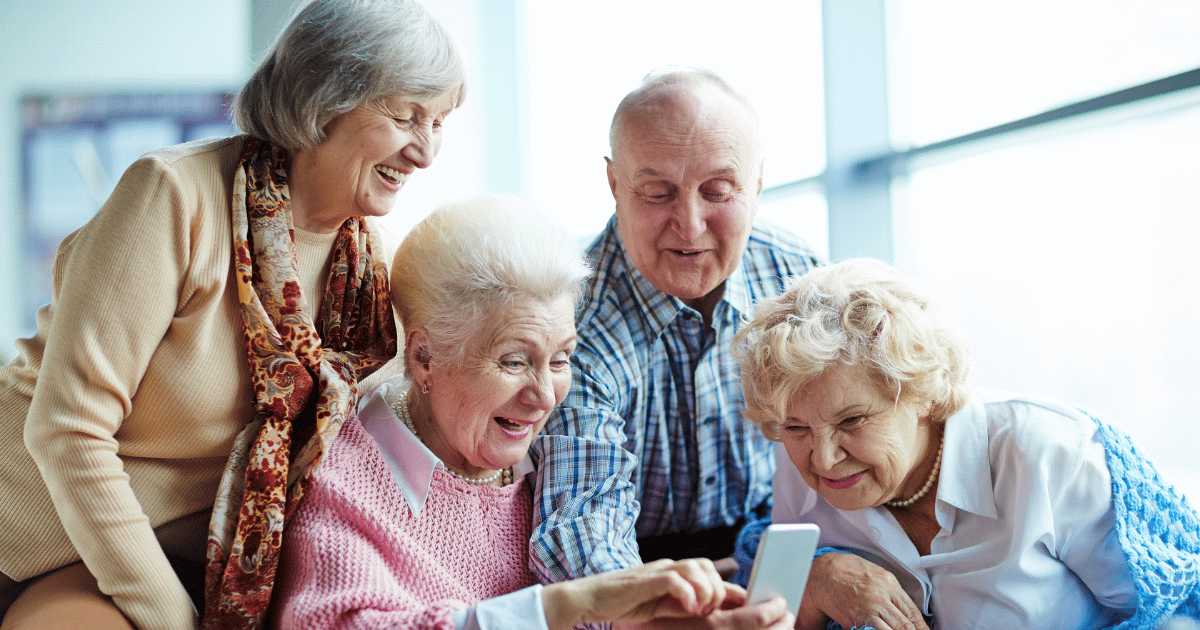
As you age, staying socially active becomes increasingly important for your overall health and happiness. Regular social interactions significantly boost your mental, physical, and cognitive well-being. They also combat feelings of loneliness and isolation, helping you lead a fulfilling and meaningful life. Here are seven powerful benefits of socialization, explained clearly and compassionately.
1. Reduces Risk of Depression and Anxiety
Social interactions provide emotional support and reduce feelings of loneliness, directly improving mental health benefits. Active social lives lead to fewer negative feelings and improved mental health. In contrast, lack of socialization can increase feelings of isolation, heightening your risk of depression and anxiety.
Engaging regularly with friends, family, or community groups gives you a sense of belonging and emotional stability. For example, participating in weekly meetings of a community book club can lift your mood and help you build supportive relationships.
2. Enhances Cognitive Function
Staying socially active provides significant cognitive benefits, helping to improve cognitive performance and reduce the risk of cognitive decline, including conditions like dementia and Alzheimer’s disease. On the other hand, limited social contact can lead to faster cognitive impairment and memory problems.
Seniors who engage more frequently with friends and family tend to achieve better results in cognitive tests. Social activities such as playing games, attending educational classes, or joining discussion groups stimulate your brain and memory. Imagine regularly attending an art class; not only do you learn new skills, but your brain remains engaged.
3. Improves Physical Health
Social activities often involve physical movement, which directly benefits your health. Involvement in social groups, such as clubs or community organizations, can significantly contribute to your physical health. Without socialization opportunities that promote physical activity, you might become less active, which could take a toll on your health.
Social activities benefit both mental and physical health by providing a sense of belonging and purpose. Regularly attending exercise classes or joining walking groups can boost your energy levels and improve your overall physical health. For instance, attending yoga classes in a community setting can enhance flexibility, balance, and heart health.
4. Promotes Better Heart Health
Socially connected older adults typically have better cardiovascular health. Positive social interactions lower stress levels and improve heart health by reducing blood pressure and inflammation. In contrast, prolonged isolation can lead to stress and anxiety, negatively impacting your heart and increasing your risk of cardiovascular problems.
Regularly spending time with loved ones, like attending family dinners or community events, supports heart health.
5. Strengthens the Immune System
Social connections, particularly a strong social network, have a direct impact on your immune system.
Research findings support that engaging in regular social interactions reduces stress, strengthens your immune response, and helps your body fight illnesses more effectively. Lack of regular social engagement can weaken your immune system, making you more vulnerable to illness.
For example, participating in a gardening club not only provides social contact but also reduces stress through engaging outdoor activity.
6. Boosts Self-Esteem and Purpose
Regular social activities can help you feel valued and more connected in your daily life. Regular socialization fosters a greater sense of purpose and belonging. In contrast, limited social interactions can leave you feeling disconnected, less confident, and uncertain about your role within your community.
When you participate in community projects, volunteer, or spend time with friends and family, you reinforce your sense of value and belonging. For example, helping organize a local community event or regularly meeting friends for coffee can boost your self-esteem and provide meaningful connections.
7. Supports a Longer, Healthier Life
Regular social interactions significantly contribute to overall health and well-being, helping you enjoy life longer and more fully. Conversely, limiting your social interactions can negatively impact your emotional and physical health, reducing your overall quality of life.
Engaging consistently in social activities, such as community events, family gatherings, or hobby groups, offers emotional support and promotes physical health. For instance, attending regular community events can provide enjoyment, emotional connection, and physical movement.
When to Seek Help: Signs of Dangerous Isolation

Understanding when social isolation becomes harmful is crucial, as it is a significant risk factor for various health issues. Socialization can mitigate issues like memory loss and other forms of cognitive decline.
If you or someone you care about is experiencing any of the following, it may be time to seek help:
- Significant withdrawal from social activities or loved ones.
- Persistent feelings of sadness, anxiety, or hopelessness lasting more than two weeks.
- Noticeable memory loss or confusion affecting daily activities.
- Decreased physical activity, self-care, or neglecting personal health.
These signs indicate that isolation is negatively affecting overall health and well-being. Recognizing these symptoms early is vital. Seeking professional help or connecting with community resources can prevent further health decline and significantly improve quality of life.
You’re Not Alone—Reach Out and Connect Today

Taking the first step to socialize can feel challenging, but remember, you’re not alone. Engaging with family and friends enriches seniors’ lives and combats feelings of isolation. Many older adults share similar feelings of isolation, and support is available. By reaching out, whether to a family member, friend, community center, or health professional, you can begin improving your mental, physical, and emotional health.
At PNS, we specialize in compassionate psychiatric care that supports both your emotional and mental well-being. If social isolation is affecting your mood, memory, or motivation, our team can help. Reach out today to explore care options that support a healthier, more connected life—because feeling supported, understood, and valued matters every step of the way.
FAQ
What are the key benefits of socialization for older adults?
The importance of socialization for older adults cannot be overstated. Socialization enhances the social lives of older adults, contributing significantly to their overall well-being.
It boosts mental health and keeps the mind sharp. It also gets them moving and gives them a sense of purpose.
It helps fight off depression and anxiety. It also boosts self-esteem and fights loneliness.
How does socialization contribute to better cognitive function in seniors?
Study suggests that socializing keeps the mind active in older adults by highlighting the relationship between social interactions and cognitive performance. Additionally, social interactions are connected to conditions such as Alzheimer’s disease, with increasing prevalence emphasizing the importance of addressing modifiable risk factors like social isolation.
Activities like games or classes help keep the brain sharp. This can slow down memory loss and dementia.
What are some physical health benefits associated with socialization for aging adults?
Socializing is good for the heart and keeps seniors moving by providing specific services that promote social engagement and physical health. These social activities benefit both mental and physical health. It also strengthens the immune system. Activities like walking or exercise classes help keep the body healthy.
How can seniors find opportunities for socialization in their community?
Seniors can join clubs or attend events to meet people, such as book clubs that facilitate connection and meaningful relationships. Social activity is significant in improving the quality of life for older adults.
They can also find groups for hobbies or volunteer. Many places offer activities just for seniors, like art or fitness classes.
Why is it important for older adults to build and maintain meaningful relationships?
A vibrant social circle plays a crucial role in combating loneliness among seniors. Families also play a significant role in supporting older adults as they face challenges related to social isolation. Meaningful relationships fight loneliness and isolation. They offer emotional support and make seniors feel part of a community. This boosts happiness and overall well-being.
How can participating in support groups benefit seniors?
Support groups and religious organizations offer a sense of belonging for seniors by fostering social relationships. The social and emotional impacts of a partner’s absence, such as the loss of a spouse, can be profound, making these connections even more vital. They share experiences and get advice. It’s a safe place to connect with others facing similar challenges.